The Augustinian order has a history in Mexico that goes back centuries.
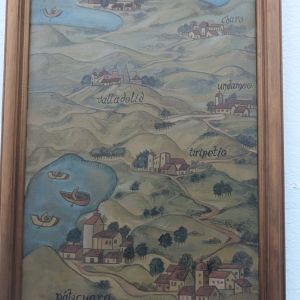
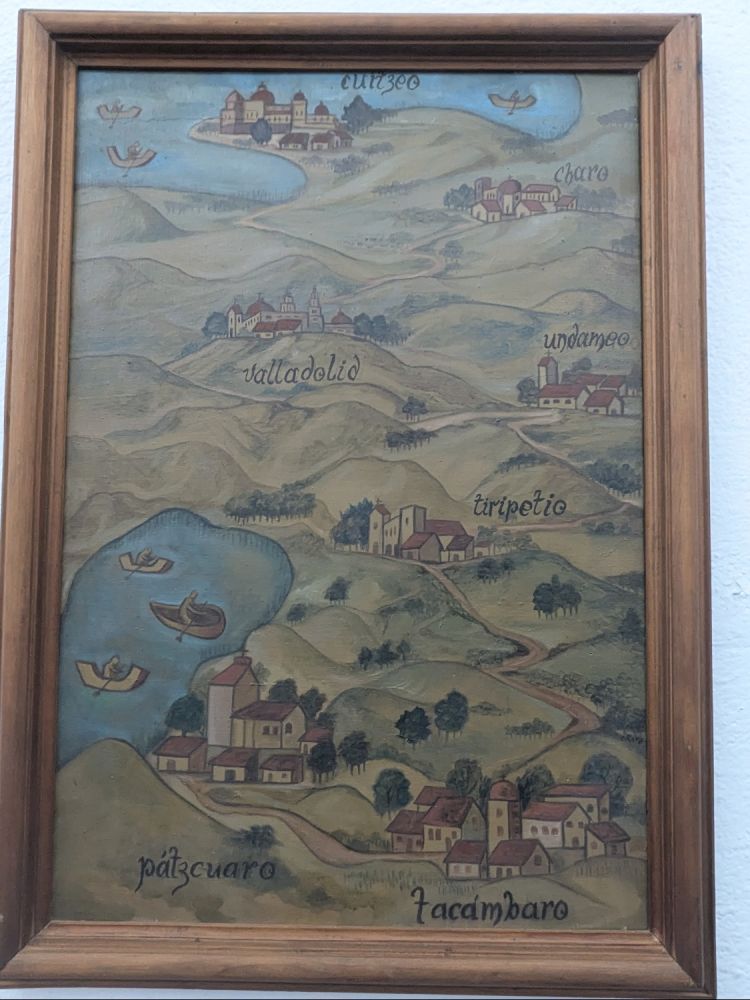
In the 14th century, the local Purépecha empire took control of Tiripetío, whose name means (in Purépucha) "place of gold." But lest you think that means the metal, in 14th century Mexico the most precious commodity was corn. (In the 15th and 16th centuries the focus of the Spanish would move to silver, gold, and other precious stones.)
The founding date of Tiripetío is lost in the mists of time, as only vague accounts exist about when it was established. It is assumed that its founding dates back to the late 13th or early 14th century.
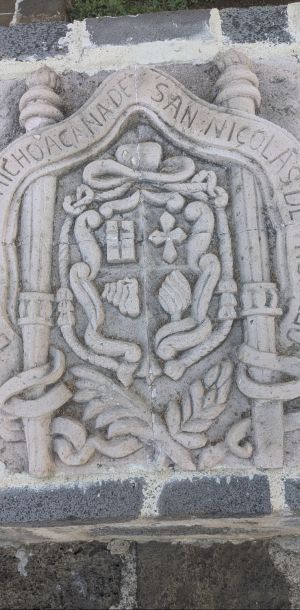
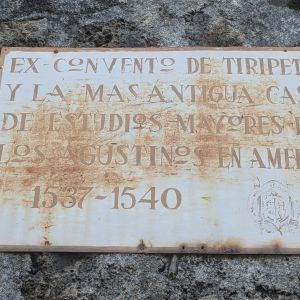
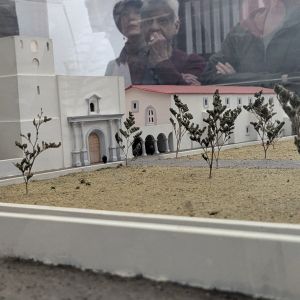
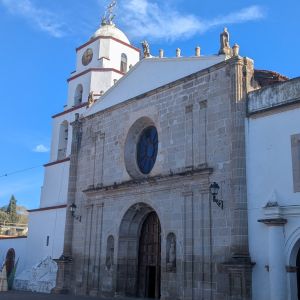
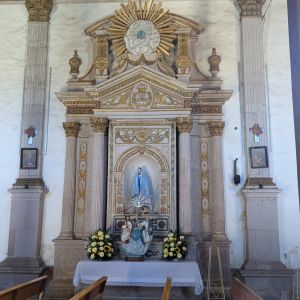
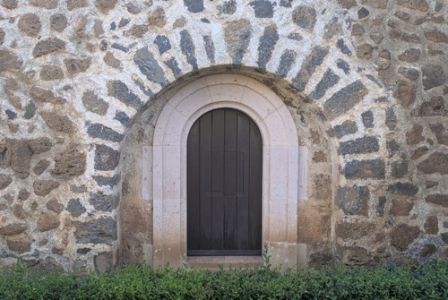
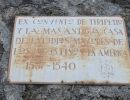
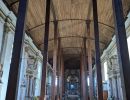
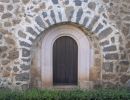
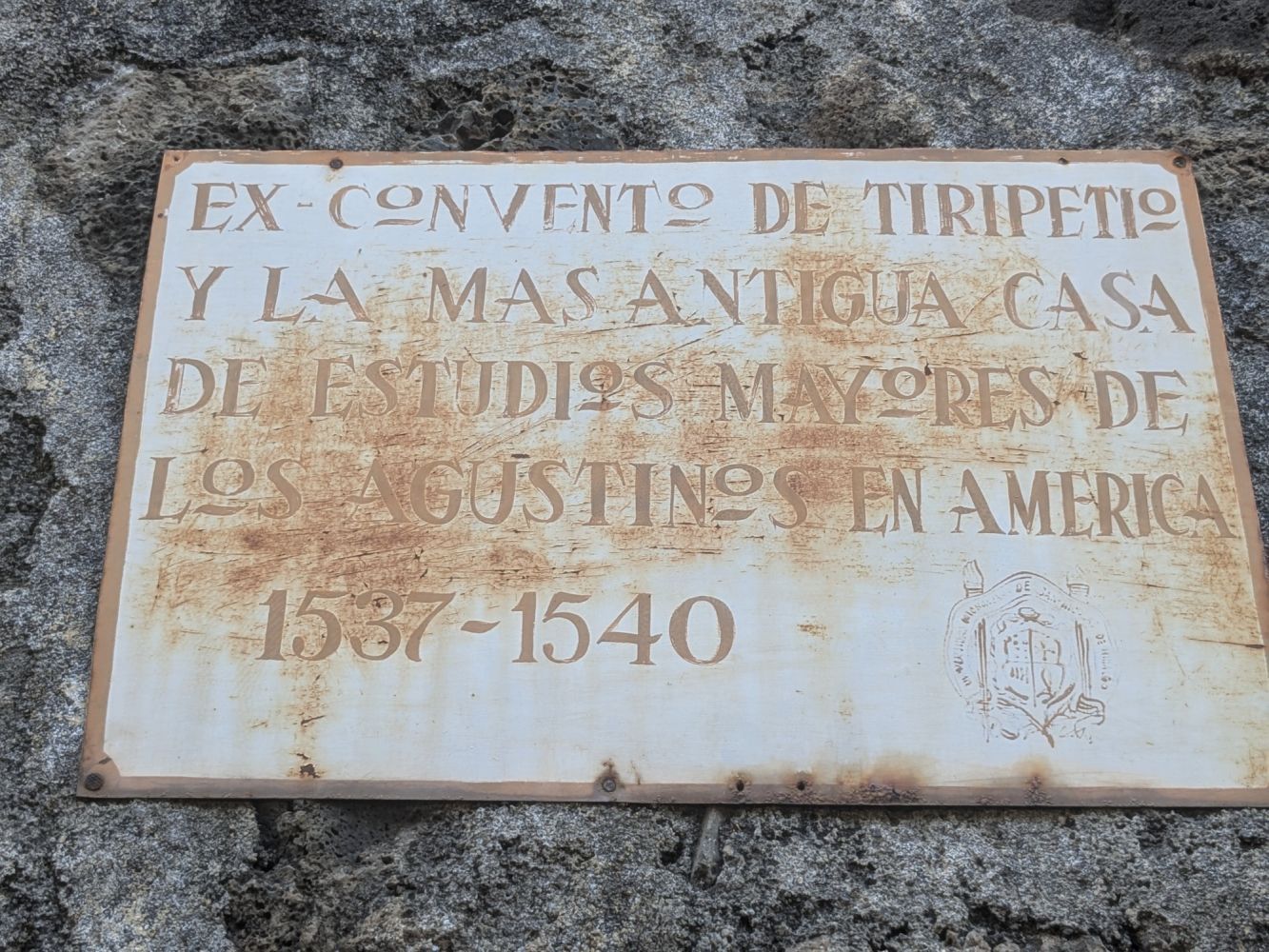
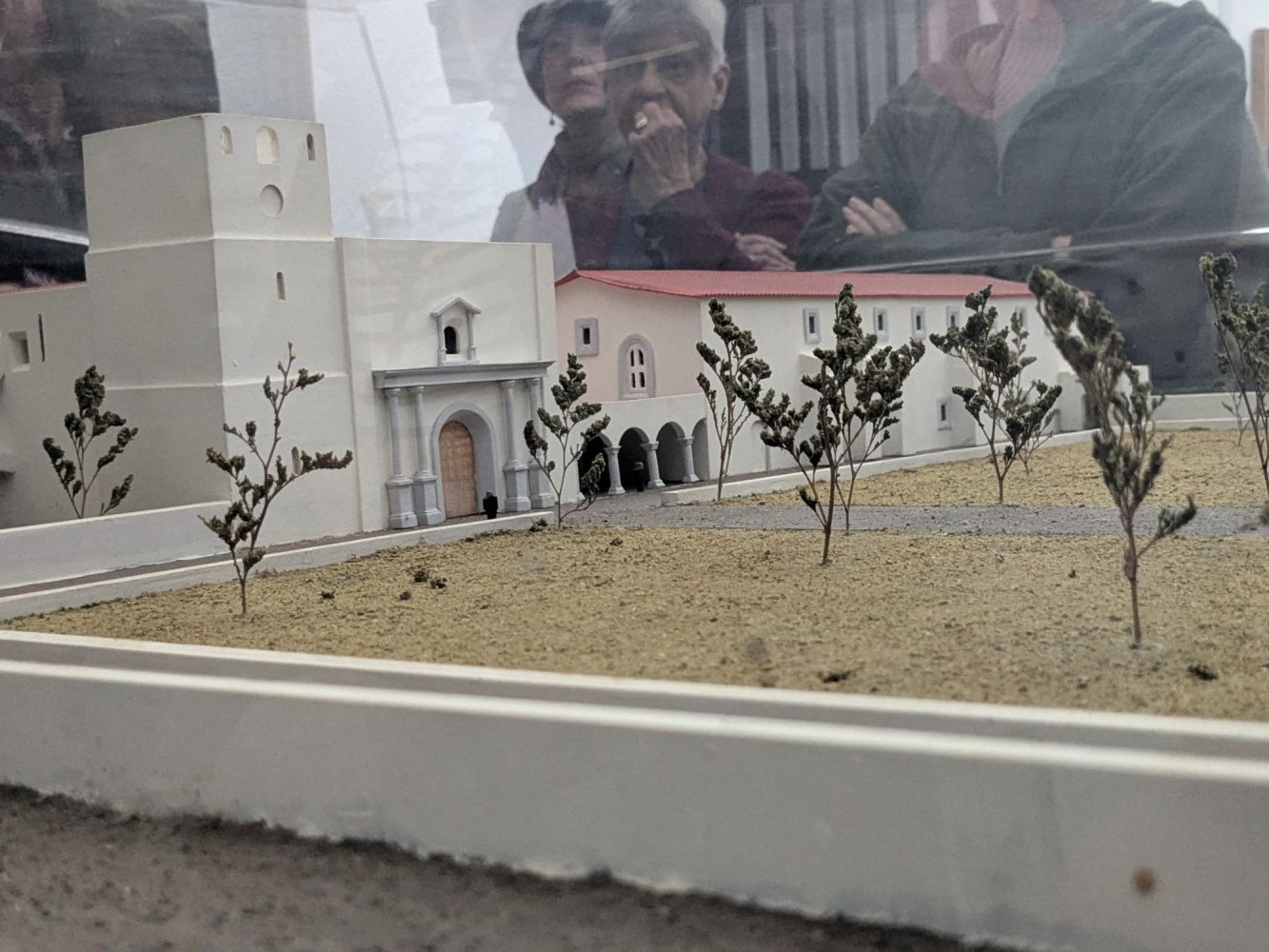
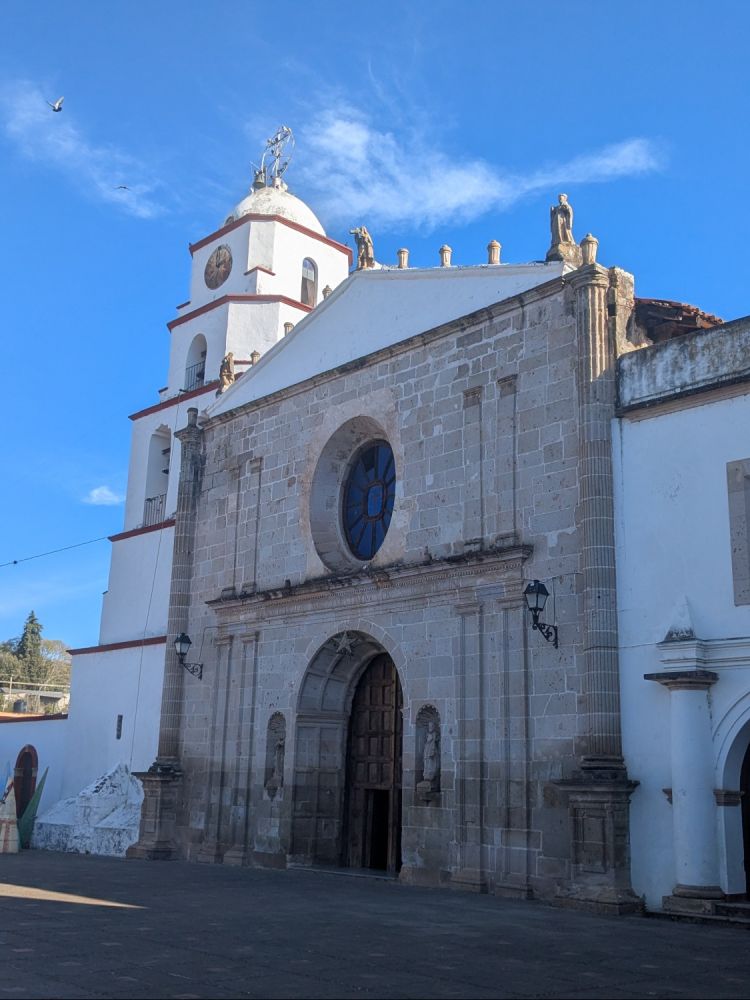
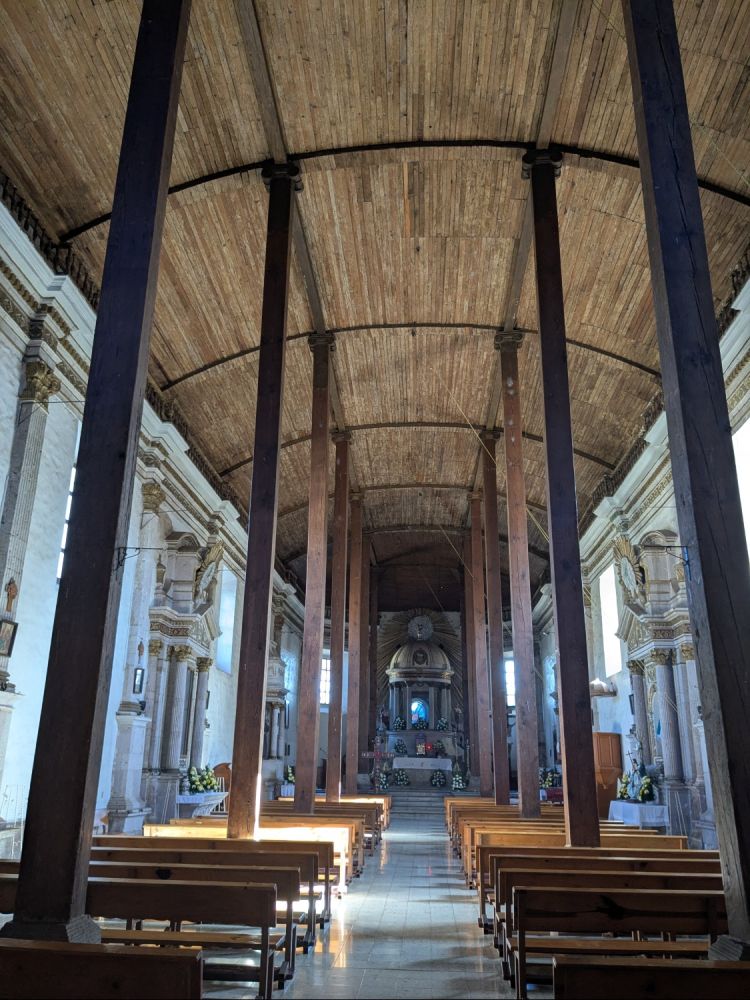
Augustinian missionaries from Spain arrived here in 1528 and built a church and convent. Beginning in 1537, the order expanded the convent to enlarge its capacity. These modifications were completed in 1540 and center became the first Augustinian center for higher learning in the Americas.
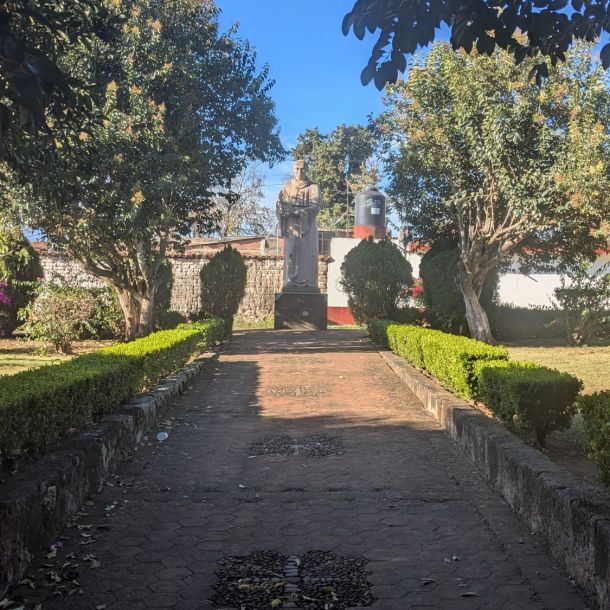
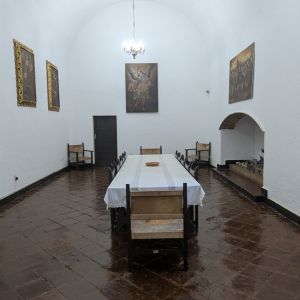
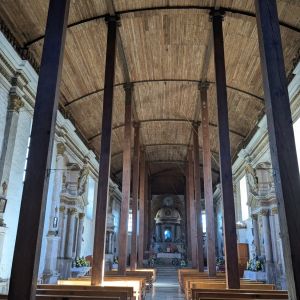
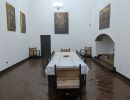
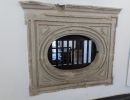
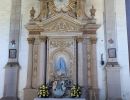
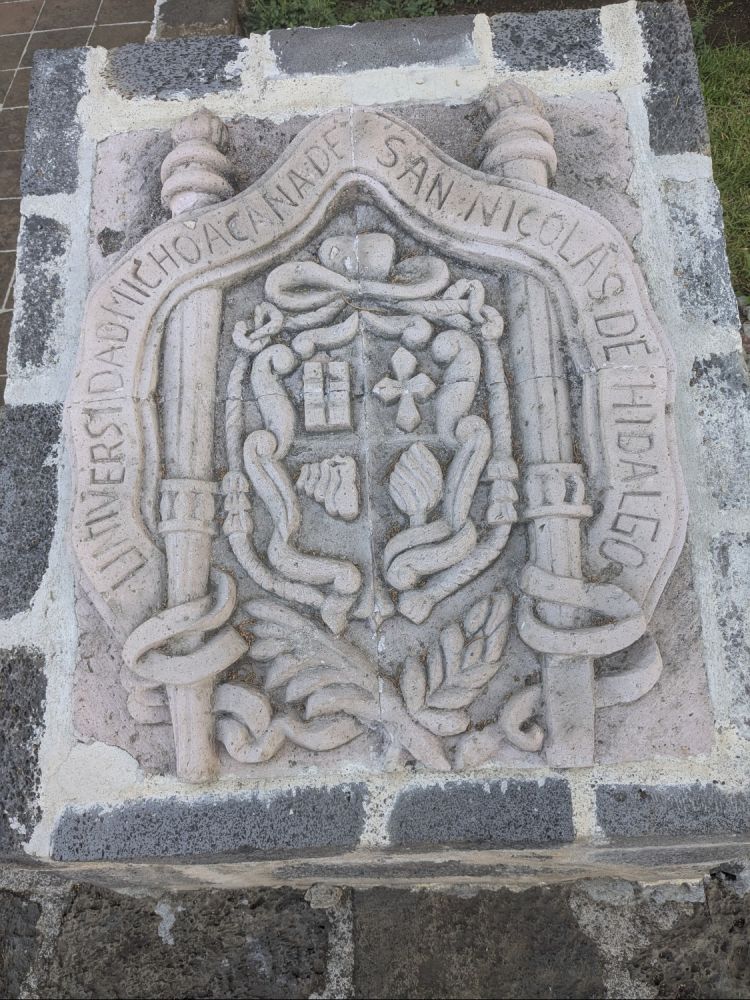
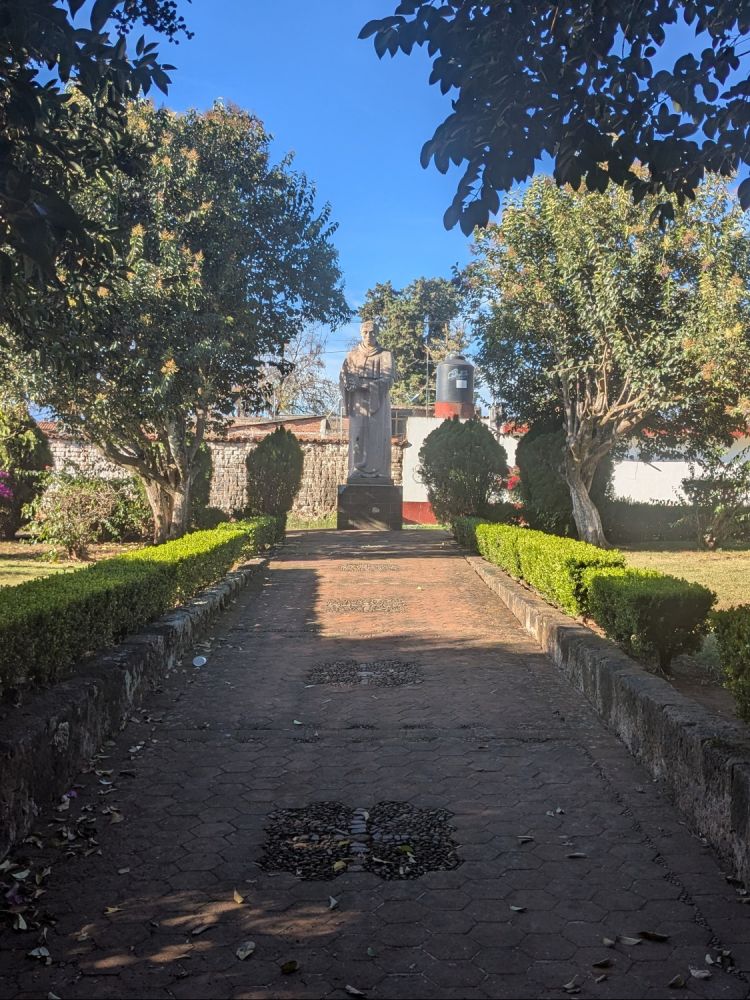
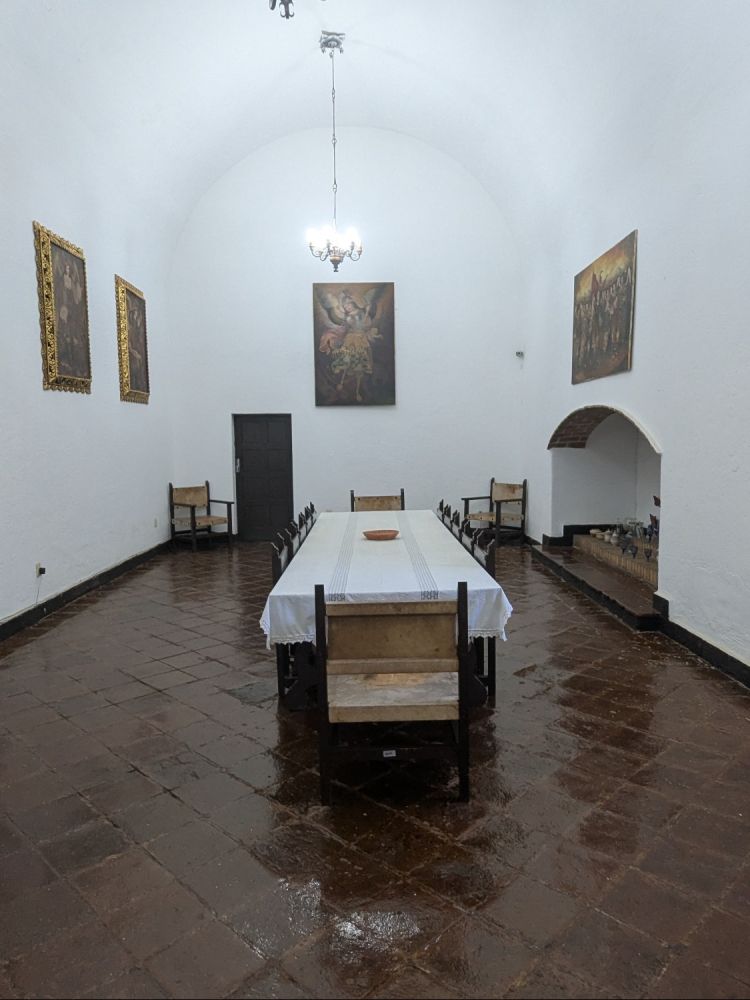
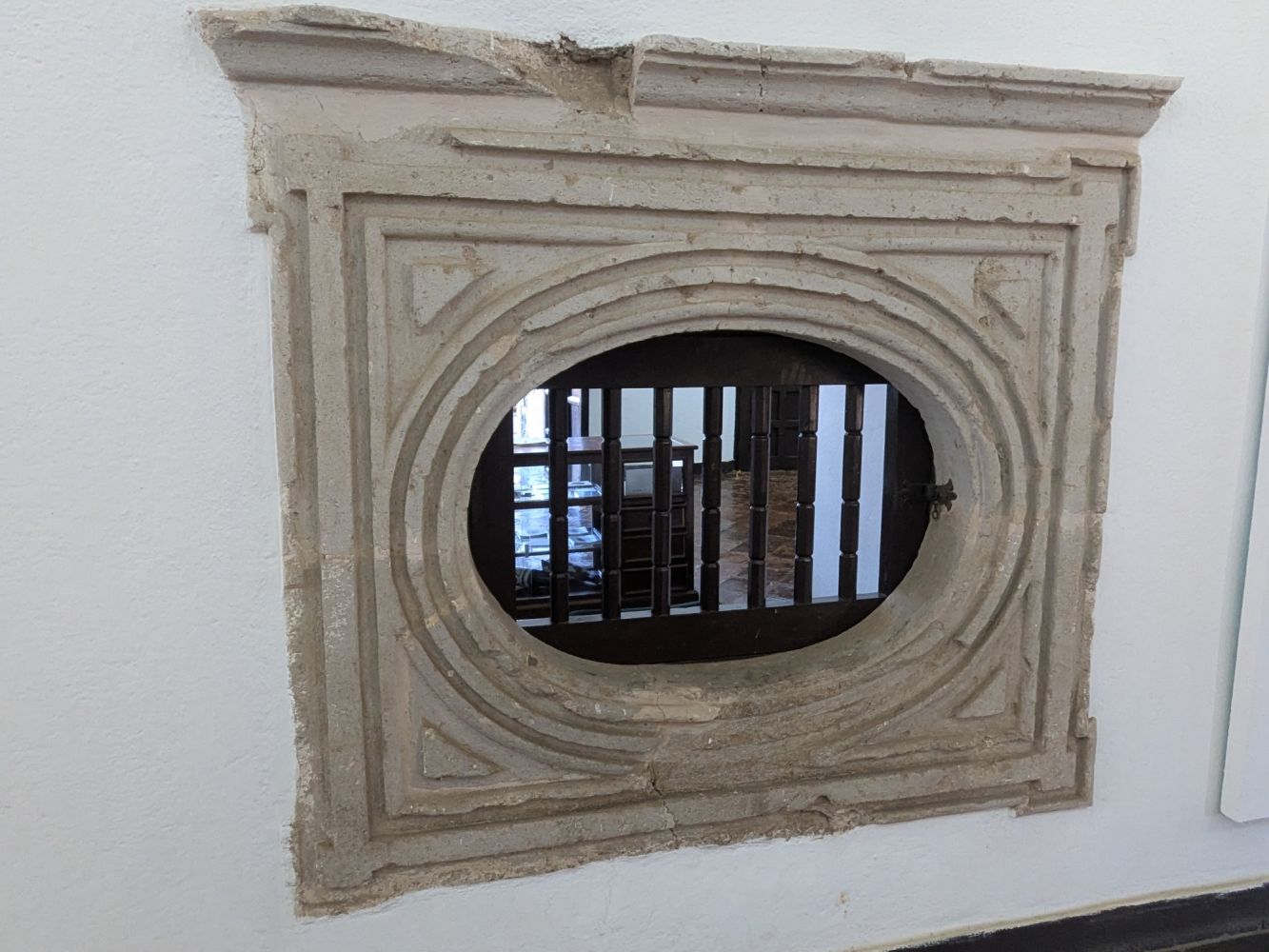
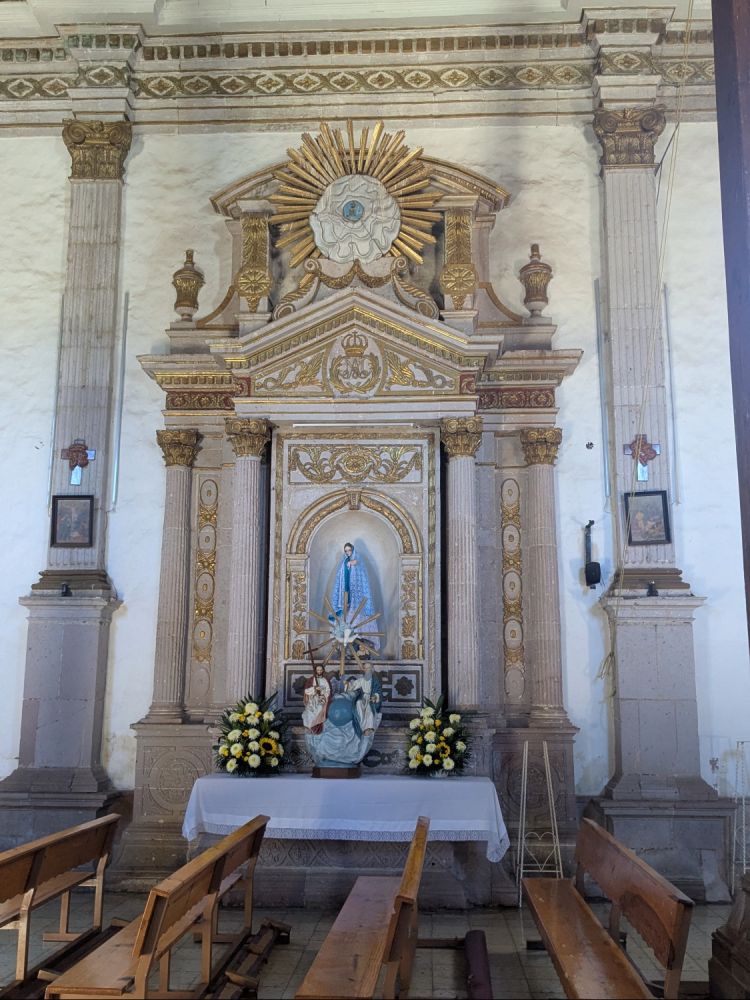
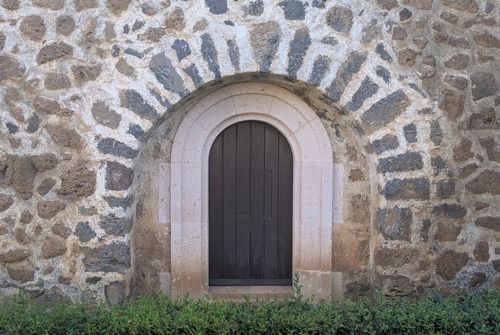
Although some portions of the original convert have collapsed, today the remaining building and the church are well-preserved and active. The former convent spaces are now owned and managed by the University of Michoacán, presenting art exhibits of work by local and indigenous artists and crafts people.